

Synthetic Plants
Backed by £62.4m, this programme sits within the Abundant Manufacturing opportunity space and aims to catalyse a new generation of major crops that are more productive, resilient and sustainable.
Our goal
This programme aims to unite expertise in synthetic biology + plant biology, opening pathways to a new generation of major crops and future-proofing our agricultural system.
Representing eighty percent of the world’s biomass, with scope to provide everything from food to pharmaceuticals, plants are a critical lever for addressing the twin challenges of food insecurity and climate change. To unlock their potential, we must accelerate the pace of agricultural innovation.
Synthetic biology is already revolutionising the world of healthcare. Exploring its application to tailor the traits of plants has the potential to transform the agricultural industry and deliver valuable benefits ranging from food to pharmaceuticals and beyond.
We see a vital opportunity to unlock new plant capabilities that can meet the future needs of humankind. We aim to develop synthetic chromosomes and chloroplasts that are viable in a living plant. This will move beyond what can be accomplished with gene editing and imbue plants with new functionalities, from reducing agricultural water use to protecting crop yields in uncertain conditions.
Technical Areas
This programme is split into five Technical Areas (TAs), each with its own distinct objective:
Design, Build, Deliver
Focuses on developing multiple designs for units that deliver a simple plant trait.
Social + Ethical
Focuses on addressing the social + ethical considerations around synthetic plant technologies, ensuring responsible development + application.
Maintain
Focuses maintenance + replication of units within cells.
Species Transferability
Focuses on demonstrating units’ functionality in multiple crop species, including one monocot and one dicot.
Trait Complexity
Focuses on successfully delivering agriculturally relevant complex traits using synthetic units.
Request for Proposals: Regulatory Consultant
We're seeking a consultant to map and analyse the regulatory and policy landscape for synthetic plant genome technologies. This work will benchmark existing frameworks across the UK and internationally, identify where these technologies sit within current categories and where uncertainties remain, and examine what plausible deployment scenarios would require, giving the Synthetic Plants programme and its Creators a clear view of the landscape they operate in.
We're looking for someone with a strong track record advising on regulation for novel and emerging technologies, deep expertise in regulatory research and analysis, and grounding in plant and/or synthetic biology.
Apply by 21 September 2026, 14:00 BST.
Read the Request for Proposals
Submit clarification questions by 11 September, 14:00 BST by emailing clarifications@aria.org.uk.
Explore the funded projects
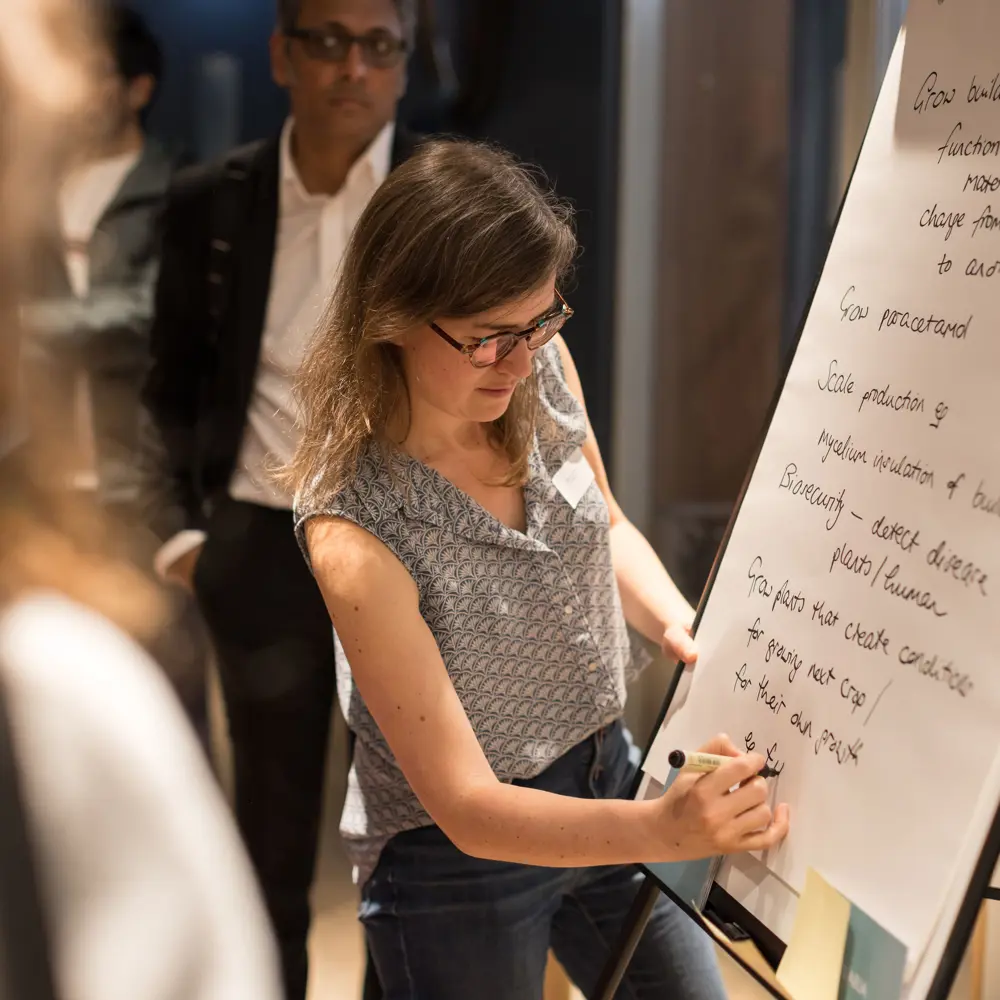
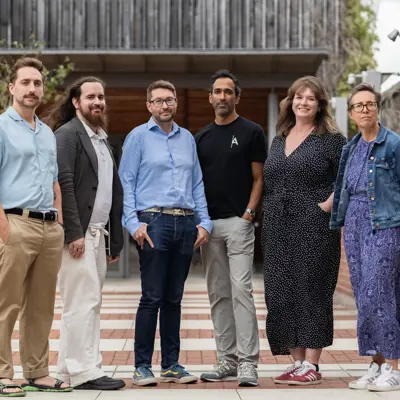
We're currently funding 9 diverse teams aiming to make essential crops more resilient to environmental challenges, support more productive and sustainable farming, and ensure that diverse public perspectives help shape the future of these technologies.
Meet the programme team
Our Programme Directors are supported by a core team that provides a blend of operational coordination and highly specialised technical expertise.
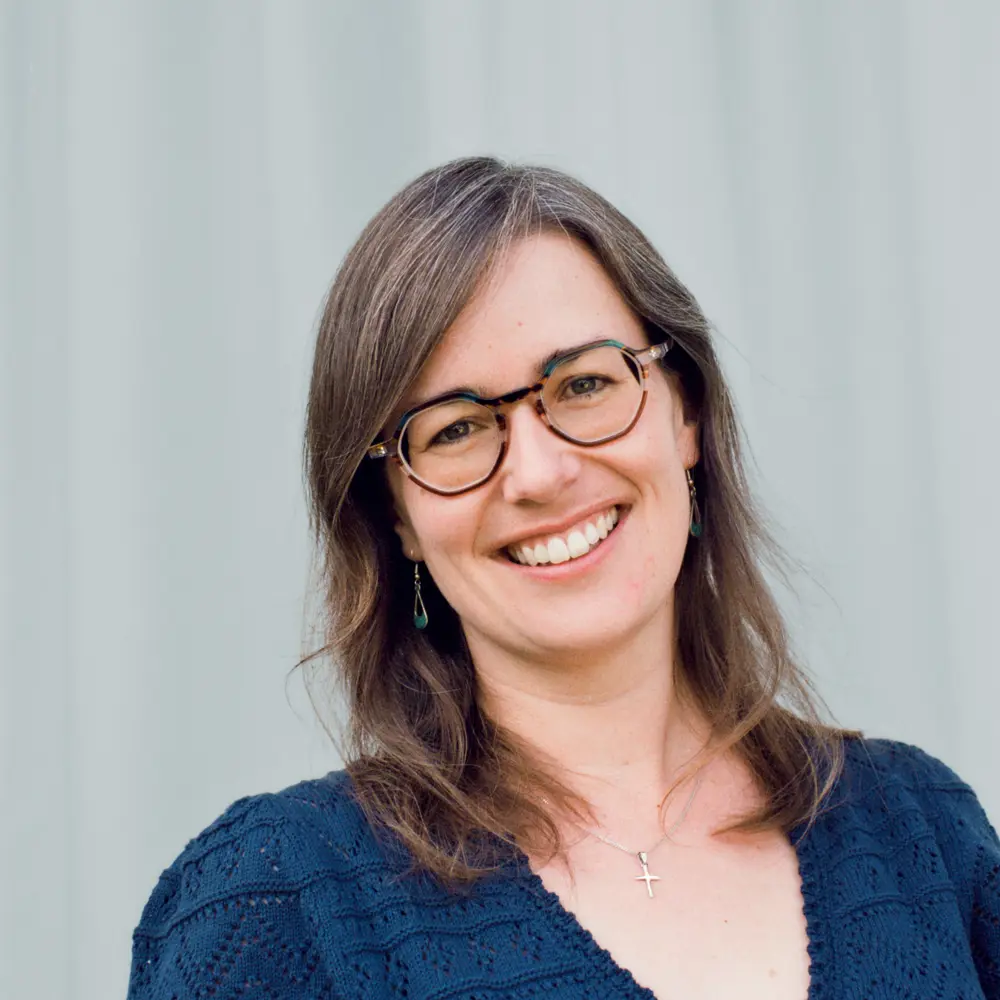
Angie Burnett
Programme Director
Angie Burnett is a plant biologist and has spent the last decade focusing on understanding the power of plants to solve some of our most pressing challenges such as food insecurity, climate change and environmental degradation. Previously, Angie was a Research Associate at the University of Cambridge.
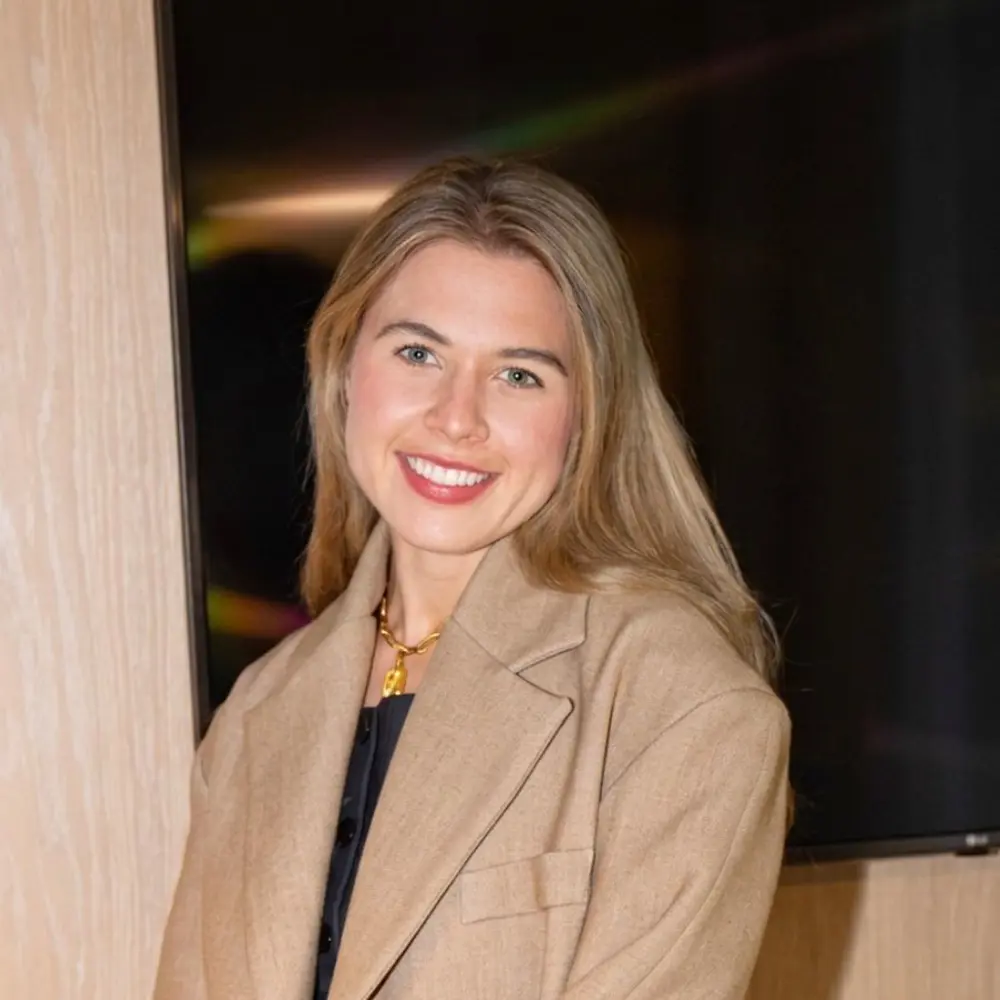
Lauren Tappin
Programme Specialist
Lauren has experience in programme delivery, strategy consulting, and venture building. She has led complex programmes and advised public and private sector leadership teams on organisational transformation. Outside of ARIA, Lauren founded Femtech Search, a network connecting early-stage women's health companies with specialist expertise. Lauren supports ARIA as an Operating Partner from Pace.
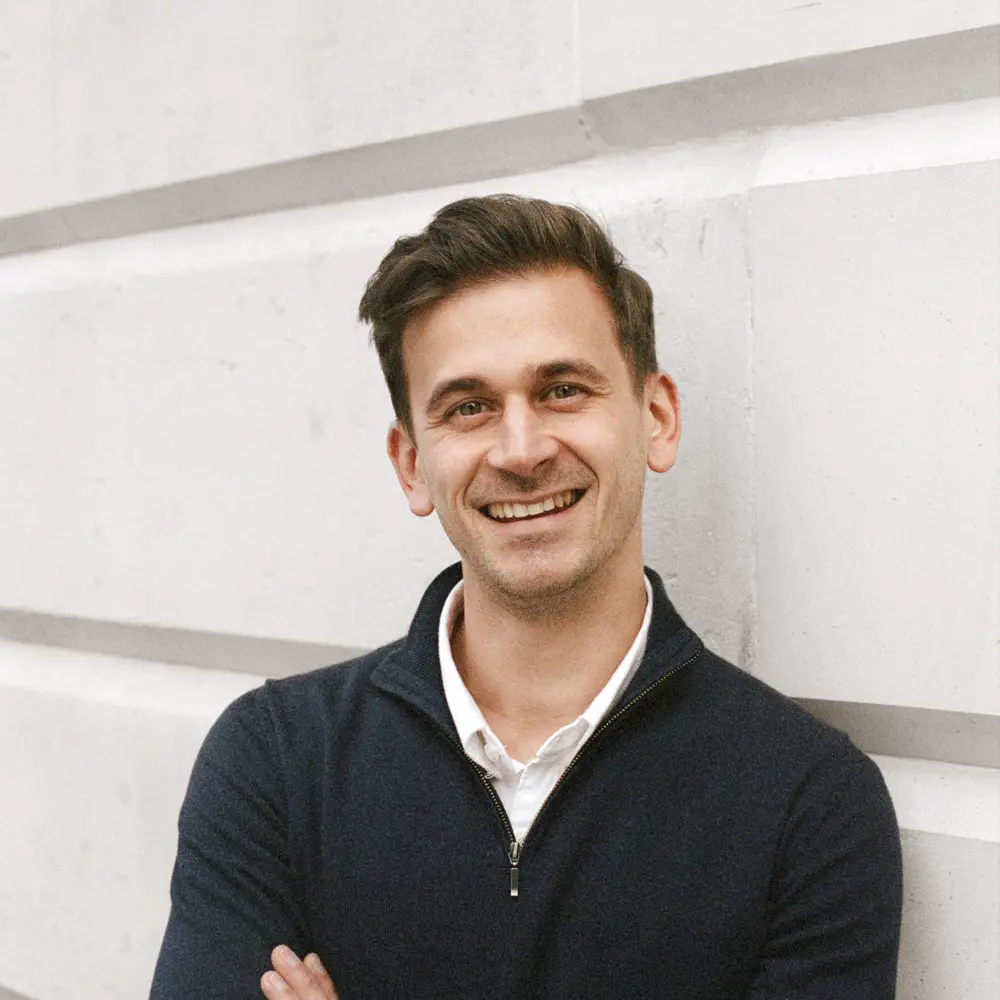
Fabrizio Ticchiarelli-Marjot
Science + Technology Lead
As a plant scientist with a PhD from Cambridge, Fabrizio has spent ten years advancing plant biology knowledge and its translation to products. Before ARIA, he spent five years working in early-stage tech startups, consulting on lab automation at Synthace for Pharma and Crop Protection companies, then at Gardin where he led the plant science team and headed delivery of the R&D product offering.
Featured insights
Angie Burnett on synthetic and sustainable plants
The Naked Scientists
“If you could imagine that the DNA of a plant was a book… the technology we're developing in our Synthetic Plants programme is like writing a whole new chapter.”
Sign up for programme updates
Receive the latest updates from this programme, including funding opportunities, programme developments, events, activities and ways to get involved.