
Robot Locomotion
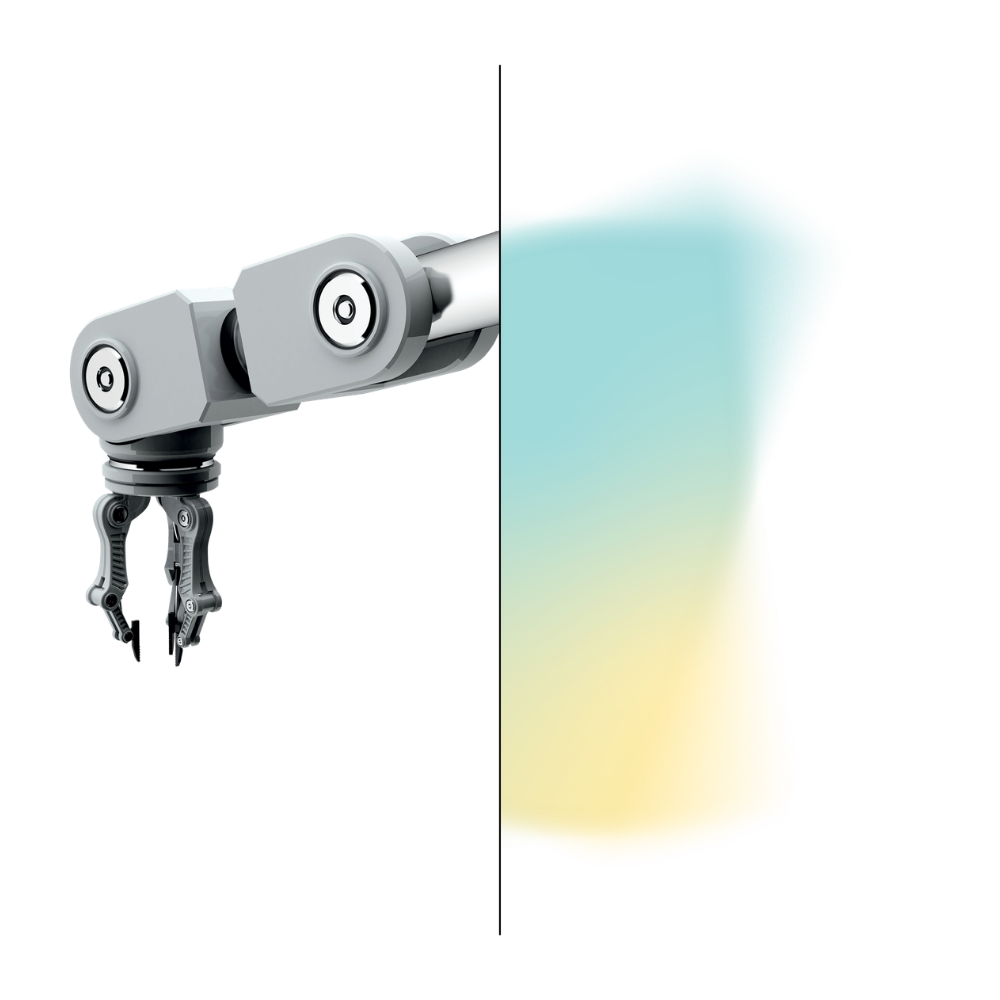
Backed by £60m, this programme sits within the Adaptive Machines opportunity space and seeks to create robot bodies with new forms of locomotion that can operate beyond the limits of today’s machines, such as carrying loads across rough terrain or inspecting hard-to-reach infrastructure.
Funding: TA1 Integrated Robot Bodies and TA2 Foundational Technologies – Concept papers
Submit your concept paper by 4 December 2026 (14:00 GMT)
The Robot Locomotion programme will fund teams to build robot bodies with new forms of locomotion, so that robots can reach and work in places today’s machines can’t. We’re now inviting proposals across its first two Technical Areas. TA1 will fund the development of integrated robot bodies, enabled by hardware breakthroughs, for example in actuation or materials. Each body will be designed for a specific use case and demonstrated in an independently assessed real-world challenge. TA2 will fund foundational hardware technology with the potential to transform locomotion, but where the path to eventual impact is longer-term or more speculative. Funding for TA3 and TA4 will open at a later date.
What we’re looking for
We’re seeking radically new approaches to robot hardware, not incremental refinement of existing designs. In both TAs the fundamental advance must lie in physical technology or body architecture, and proposals should normally target at least a tenfold improvement over the projected state of the art, or enable capabilities current robots do not have at all. The programme is open to any mode of locomotion, at any scale and in any morphology, and in either TA we welcome technologies adapted from outside robotics.
For TA1, we’re looking for teams that combine technical and commercial expertise with deep experience of their intended use case, and can show that locomotion hardware is the critical barrier to doing valuable work there. Teams will work towards a Target Robot Profile – a quantitative specification of what the robot must do to deliver a compelling advantage over the strongest credible alternative – and demonstrate a field-testable prototype. TA1 awards can fund the underlying component development this requires, provided it has a credible route into the final, field-testable robot body and a clear commercial use case.
For TA2, we’re looking for projects that address a single component or explore a new body design, and that could enable a new capability or cross a decisive practical threshold for future locomotion systems. This is the route for work where the path to eventual impact is longer-term or more speculative – technologies may be at any level of maturity and projects need not deliver an integrated robot during the award.
Who should apply
Applications are eligible from any type of organisation and from any location. TA1 has a strong commercial focus, so we expect most competitive applicants will be companies or intend to form one if funded, and to make a UK benefit case commensurate with the scale of the award. We do not normally expect the same team to apply to both TAs, but different teams within one organisation may.
Join a team
Applicants seeking additional technical, commercial, or end-user expertise can use our teaming request form to find potential collaborators who have registered interest in this programme. We’re also holding an optional teaming workshop in London on 2 November 2026.
How to apply
We’re now accepting concept papers, with full proposals to follow. Concept papers are optional but strongly encouraged: a maximum of five A4 pages for TA1 and three for TA2. Following review, we’ll let you know whether we’d encourage a full proposal by 14 December 2026, and where possible how it could be strengthened.
Concept paper submission deadline: 4 December 2026 (14:00 GMT)
Full proposals window opening: 15 December 2026 (12:00 GMT)
Full proposal submission deadline: 1 February 2027 (14:00 GMT)
Applicants notified: 15 March 2027
Read the call for proposals and apply below.
Resources
Clarification questions
If you have any additional questions, please use the chat function on this page for the quickest response – you'll find the icon in the bottom right-hand corner of your screen. It can guide you to the right information or connect you with the ARIA team if needed. We’ll update this page with questions and answers.
Nb: clarification questions that need to be reviewed by the ARIA team should be submitted via the chat function no later than 27 November 2026 for concept papers and 25 January 2027 for full proposals. Clarification questions received after this date will not be reviewed.