

Accelerated Adaptation
Backed by £54m, this programme sits within the Engineering Ecosystem Resilience opportunity space and seeks to explore pathways to accelerate the adaptation of wild species in order to prevent biodiversity loss and secure the natural infrastructure that underpins our global economy and well-being.
Our goal
Today’s environmental pressures outpace nature’s inherent ability to adapt. Climate extremes, land use changes, pathogens, and pollution put one in four species at risk of extinction over the next century, jeopardising the ecosystem functions and biodiversity that underpin our current and future economies.
Improving our ability to measure and model the natural world is vital, but even if we can detect ecosystems at risk of collapse, we lack technological interventions that can support wild species with precision and speed. By leveraging breakthroughs in genomics, robotics, and AI, this programme will explore potential pathways to accelerate the adaptation of species as well as the ethical and governance implications of potential interventions.
These new capabilities would enable wild systems to rapidly overcome threats, ensuring the survival of the vital natural infrastructure that underpins our global economy and well-being.
Technical Areas
This programme is split into five Technical Areas (TAs), each with its own distinct objectives:
Systems
Demonstrate accelerated adaptation in specific systems (species, ecosystems, ecological functions).
Scaling
Scale the technical capabilities of the tools developed by the system-focused teams to apply to multiple systems.
Modelling
Model which species, traits and interventions produce disproportionate ecosystem resilience gains, and quantify risks.
Data + analytics
Ensure that claims made by system-focused teams are independently checked and make results comparable, trusted and legible.
Ethics + social responsibility
This broad TA could include, but is not limited to, co-developing ESR tools, frameworks and guidance; delivering training to project teams; producing evidence that could inform future governance models/regulatory pathways.
Expanding the Conservation Toolkit
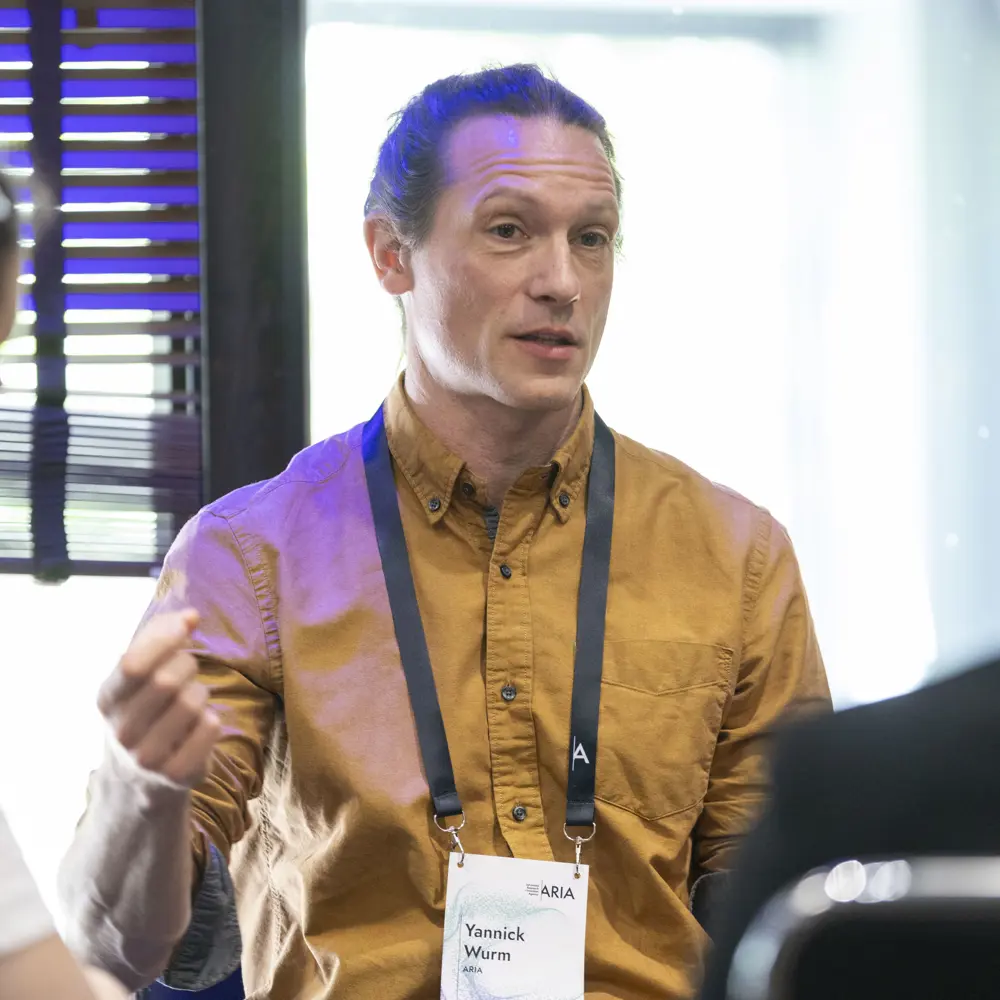
With the launch of the Accelerated Adaptation programme in February, Programme Director Yannick Wurm explains his background and why we’re exploring pathways to accelerate the adaptation of wild species.
Responsible research
We recognise the importance of enabling open and robust consideration of the ethical and social aspects of this programme, as well as ensuring oversight of its funded activities, and seek to do this in a number of ways.
Meet the programme team
Our Programme Directors are supported by a core team that provides a blend of operational coordination and highly specialised technical expertise.
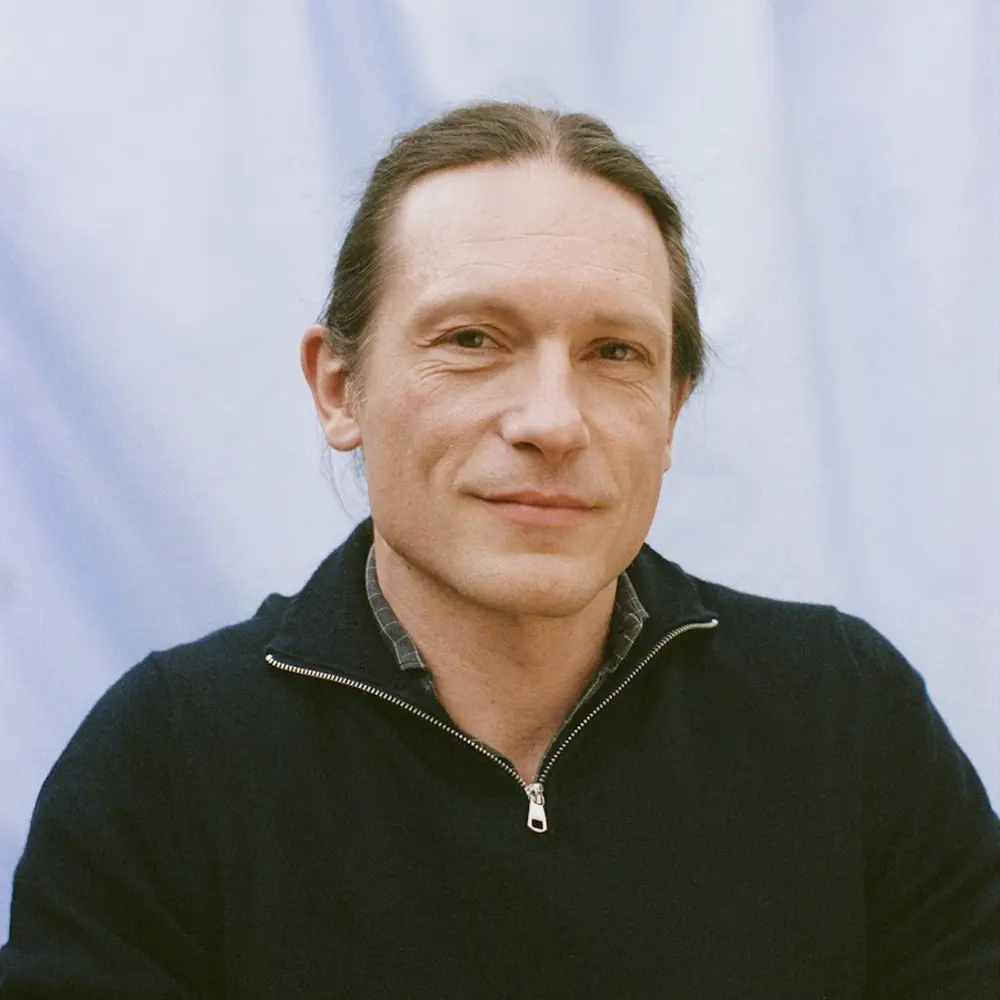
Yannick Wurm
Programme Director
Yannick joins ARIA from Queen Mary University of London, where he is Professor of Evolutionary Genomics & Bioinformatics. Yannick pioneered the use of molecular tools to assess pollinator health, has built startups to commercialise genome analysis software, and created a real-time network for pollinator monitoring.

Alex Smith
Programme Specialist
Alex is a project management professional with experience in complex transformations. He recently streamlined national public service infrastructure for the Nursing and Midwifery Council and has led strategic initiatives at the London School of Economics, including delivering programmes, establishing governance and replacing legacy systems. Alex supports ARIA as an operating partner from Pace.
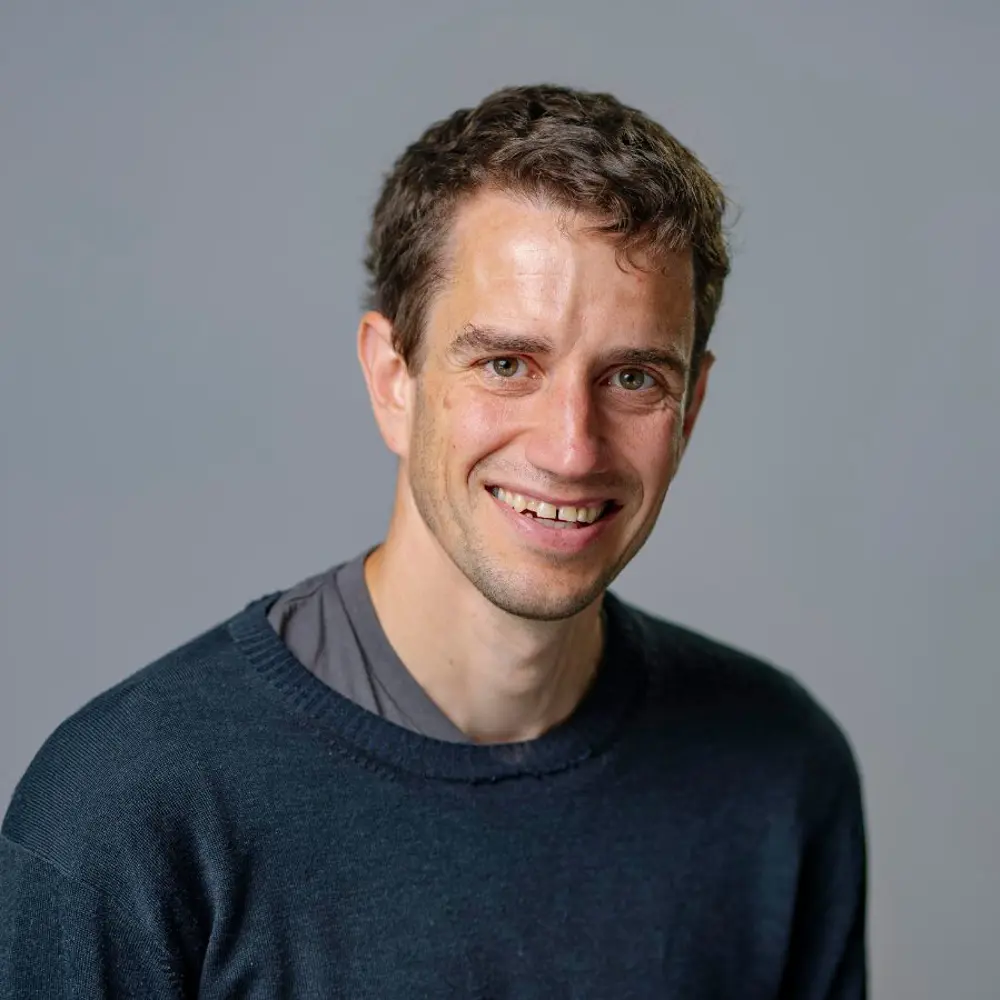
Simon Evans
Science + Technology Lead
As an evolutionary ecologist with a PhD from Oxford, Simon spent nearly 20 years studying contemporary evolution of wild animals, using long-term studies of nestbox-breeding birds. Before joining ARIA, he studied the evolutionary trade-off between reproduction and survival, showing via experimental selection that this imposes an unbreakable limit to adaptation.

Alice Pettitt
Frontier Specialist
Alice works with the Programme Directors to scope out emerging areas of technology that can shape current and future ARIA programmes. Before ARIA, she was a Venture Fellow at Creator Fund and a Founder's Associate at Gathr. She holds a PhD in Molecular Biophysics from UCL and has also carried out conservation research in the Amazon rainforest.

Izzy Foord
Programme Support
Izzy brings experience in product development, consumer insights and risk consulting at EY Auckland, where she supported remediation work for Healthcare New Zealand. At ARIA, she supports programmes through project management, logistics and operational delivery. Izzy supports ARIA as an operating partner from Pace.
Programme development
Discover some of the ways we've shaped this programme’s direction.
To help guide our thinking and shape the programme’s development, we funded a series of short, exploratory research projects that ran from November 2025 to January 2026. These projects range from diving into particular research directions and technical feasibilities to exploring ethical and governance needs.