

Enduring Atmospheric Platforms
Backed by £70m, this programme sits within the Adaptive Machines opportunity space and aims to enable aircraft to operate reliably and cost-effectively in the stratosphere, in order to deliver advanced communications services.
Our goal
Ubiquitous, high-performance connectivity will be a critical enabler for the projected tens of trillions annual economic potential of AI. Yet billions of people lack reliable connectivity, which holds them back from the economic gains enabled by voice, data, and AI-driven services.
The world has been looking to satellites to unlock the Information Age. But the distance and orbits of satellites impose physical limits to the services they can provide.
We are funding teams to enable aircraft to operate reliably and cost-effectively in the stratosphere. Known as HAPS (High Altitude Pseudo-Satellites), these platforms could offer a new class of digital services with far greater capability, more sovereignty, and potentially lower costs than what satellites offer.
If it succeeds, this programme will demonstrate a step-change in our ability to operate persistently in the stratosphere, creating a new infrastructure layer between the Earth and space to deliver connectivity to underserved regions in the UK and worldwide.
The programme aims to demonstrate the ability to suspend and power communications payloads in the stratosphere above the UK for a week. This technical breakthrough will provide the physical backbone required for next-generation advanced communications and a path to connectivity for underserved regions. Success will be measured by the funded teams’ ability to secure launch customers and raise the investments necessary to broadly roll out these services.
Technical Areas
We are funding ambitious projects across 3 Technical Areas (TAs) to solve the interdependent challenges of stratospheric endurance.
Enabling Technologies
Focused on game-changing enabling technologies – such as power beaming, high-density energy storage, or novel materials – that make the development of a full system comparatively low risk.
System Integration + Testing
Focused on developing and testing the platforms to achieve the primary metric: continuous delivery of power to a payload while keeping station.
Deployment + Communications Architecture
Focused on technical, regulatory and commercial viability.
Explore the funded projects
Eighteen funded teams are working on technologies to enable aircraft to operate reliably and cost-effectively in the stratosphere. These platforms will provide the physical backbone for next-generation advanced communications and a path to connectivity for underserved regions.
Meet the programme team
Our Programme Directors are supported by a core team that provides a blend of operational coordination and highly specialised technical expertise.
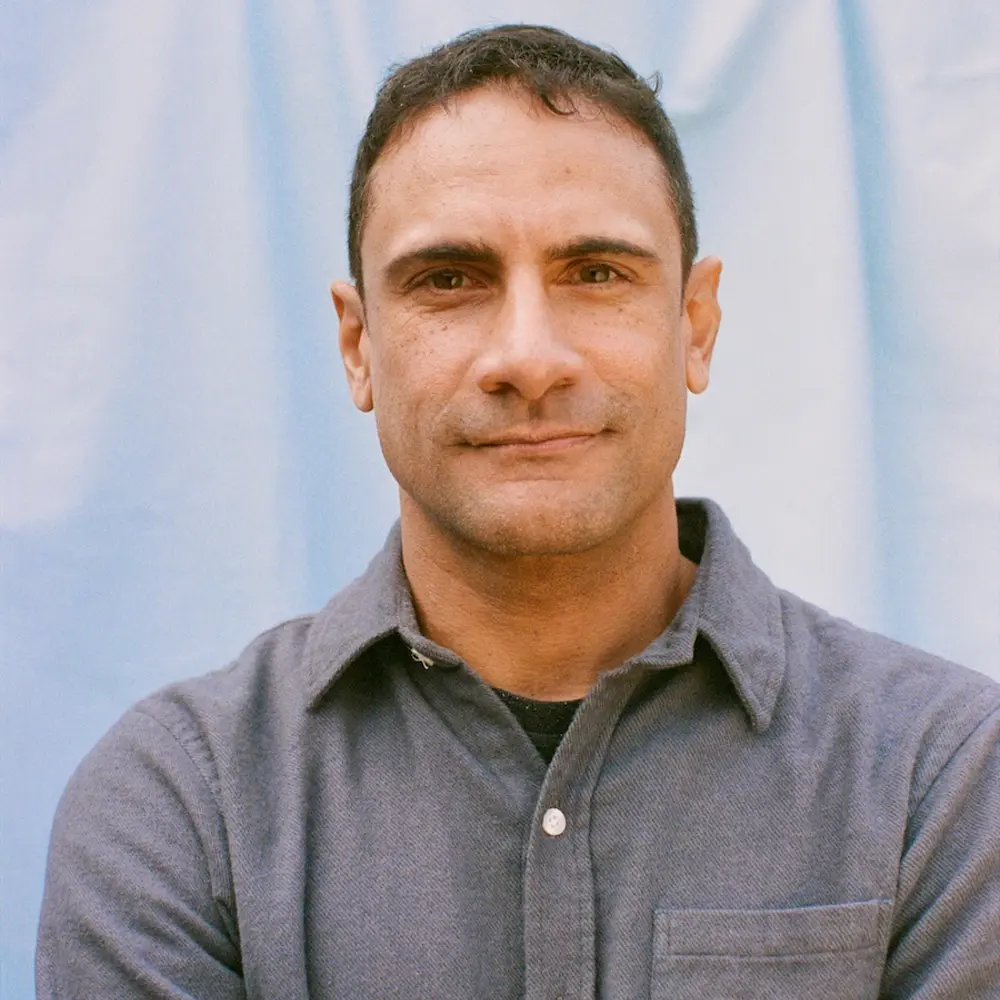
Rico Chandra
Programme Director
Rico is a repeat founder who built his career in national security technologies. He has advised governments, investors, and high-growth companies on emerging technologies and their strategic impact. He founded several companies including Arktis Radiation Detectors, whose systems are now deployed worldwide. Rico holds a PhD in dark matter detection from CERN and an MSc from ETH Zurich.

Caitlin Kubala
Programme Specialist
Prior to joining ARIA, Caitlin led on Cyber Security projects at a New Zealand bank, with a focus on strengthening digital defences and ensuring regulatory compliance. Caitlin supports ARIA as an operating partner from Pace.
Sign up for programme updates
Receive the latest updates from this programme, including funding opportunities, programme developments, events, activities and ways to get involved.