
7 May 2026
Breaking bread over breaking science
Announcing our first cohort of Innovator Circles: high-trust peer groups to shape ideas at the frontier of science and tech
Why peer groups matter for technological breakthroughs
Highly ambitious, technical breakthroughs rarely arrive fully formed. They’re often born out of half-articulated thoughts – whispers in the university library, debates over lunch, or musings on the walk home.
ARIA’s Innovator Circles initiative was designed to support these environments: high-trust, self-organised technical peer groups where people can test ideas early, raise each other’s ambition, and pursue ideas that could underpin the next world-changing breakthroughs.
We tested this hypothesis last year through a focused experiment, supporting a small cohort of individuals to build their own peer groups. The results, shared here, showed us the potential for cultivating ambition more broadly – creating spaces for people who may not feel they 'fit' with traditional scientific institutions. By creating informal environments where people can contribute without fully formed ideas or established credentials, we saw how our experimental cohort opened up exactly those spaces. Furthermore, by targeting an earlier stage of the pipeline to traditional funding models, such as grants, this initiative opened up new pathways into science and technology, diversifying both ideas and the pool of people working to generate them.
To continue building on this momentum, we doubled down with a call for individuals to build their own Innovator Circles across the UK.
We received close to 130 applications from around the country. ARIA’s offer was to support these groups with up to £2,000 a month to set up their Circles, alongside access to ecosystem partners, and, importantly, a ‘social licence’ to build high-trust, high-ambition peer groups. The quality of these applications reflected the breadth and diversity of latent talent and ideas waiting to be activated with the right kind of support.
From this pool, we selected 10 Leads to establish Innovator Circles in topics ranging from exploring the immune system as an operating system, to compositional growth of neural networks. What unites these Leads is their willingness to challenge prevailing paradigms, combined with a vision towards building real-world peer groups that could catalyse work on new approaches to expanding the frontier.
Two months into the initiative, we’re beginning to see that these environments often recreate something that has historically been critical to innovation.
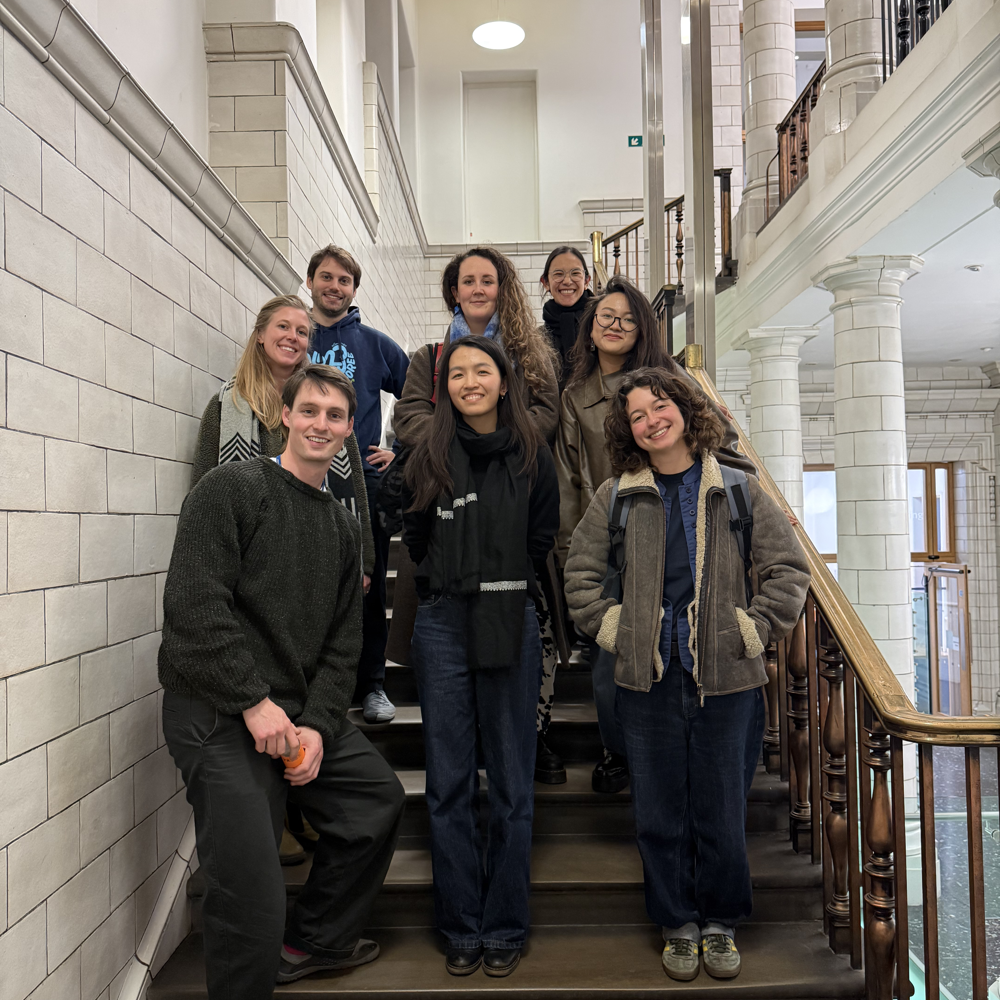
Image: Rethink Matters Innovator Circle: Led by Ivy Li and Içvara Aor
“So much innovation comes from informal encounters with those working in other fields, and memoirs from places like Bell Labs are filled with odes to the seminars, corridors, and canteens which brought scientists together.”
Boyuan Xiao
Lead of Hacking Biomechanics Innovator Circle
What Innovator Circles look like in practice
Innovator Circles are deliberately lightweight and flexible. Rather than prescribing a format, ARIA supports individuals to convene groups in a way that suits them. In practice, this has resulted in a wide range of formats: technical reading groups, hands-on demos, informal dinners, co-working sessions, and structured debates.
Across the cohort, Circles span a wide range of technical areas, but are united by a focus on exploring ideas while they are still incomplete, and open to challenge.
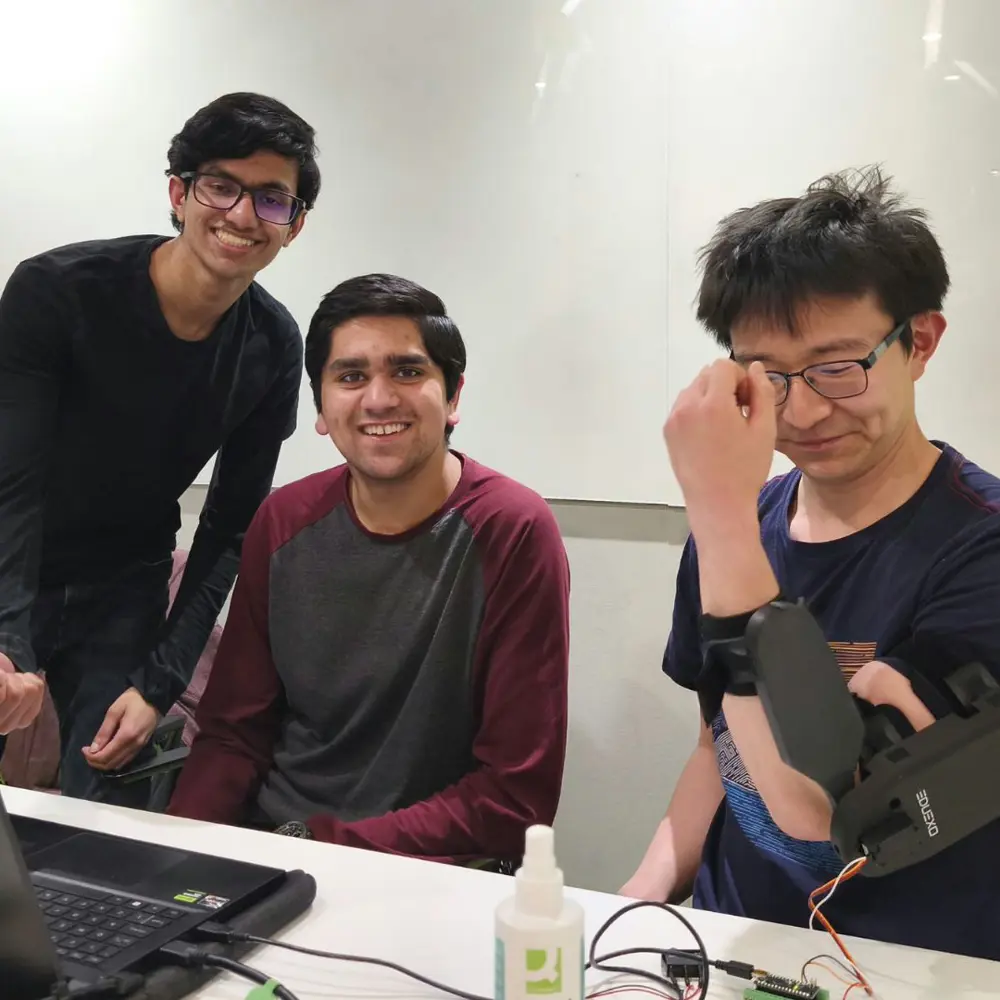
Image: The Hacking Biomechanics Circle, led by Boyuan Xiao, experimenting with a 3D printed exoskeleton.
“I wanted to create a space where those people can think candidly, disagree seriously, and build sharper models of the world frontier AI could create. I'm hopeful that this could change what circle members decide to work on, and more importantly, what they believe is even possible to build in the first place.”
Nandini Shiralkar
Lead of Alx Innovator Circle
Early signs of impact
The Innovator Circles are not designed to produce polished outputs. Instead, we’re exploring early signs of impact: new collaborations, shifts in ambition, and the emergence of ideas that might not otherwise have formed. Several patterns are already visible.
The value of building new collaborations across disciplines has emerged as a common theme. For the Quantum Utility Circle, the permission to bring together individuals of different backgrounds has encouraged collaborations between traditionally separate areas. The Circle is regularly bringing together chemists, spectroscopists, biomedical scientists, and industry engineers to discuss the applications of quantum science in the real world, away from precisely controlled laboratory settings.
Circles are also moving their discussions into real-world action as well. In the Hacking Biomechanics Innovator Circle, knowledge sharing between participants from different fields has led to detailed plans for trying out new servo motors and experiments with electromyography, for improving the actuation and motion prediction in a lower limb prosthesis.
Others are exploring entirely different models of how science can be advanced. The Independent Science Society Circle is focussed on how scientific discoveries can be made outside of conventional academic environments to increase the diversity and breadth of scientists, and in turn increase the ideas we can explore and discover.
These are early signals, but they point to a consistent pattern: when the right conditions are created, people begin to connect, think differently, and act on new ideas. At a national level, this early-stage, cross-disciplinary brainstorming is critical to the UK’s ability to generate the next generation of scientific and technological breakthroughs.
What’s next
The Innovator Circles initiative is designed to run for 10 months – allowing the groups to build self-sustaining momentum from scratch.
Over the coming months, the Circles will experiment with different formats, including reading retreats, conferences, hackathons and research agendas. They will deepen their intellectual foundations on the topics they’re exploring as well as grow their groups further before producing outputs such as white papers, code repos, and publications to share their findings with wider ecosystems.
We invite those with expertise in the Circle areas to engage with the groups through attending meetups, reading their updates/newsletters or sharing their own work with the relevant Circles.
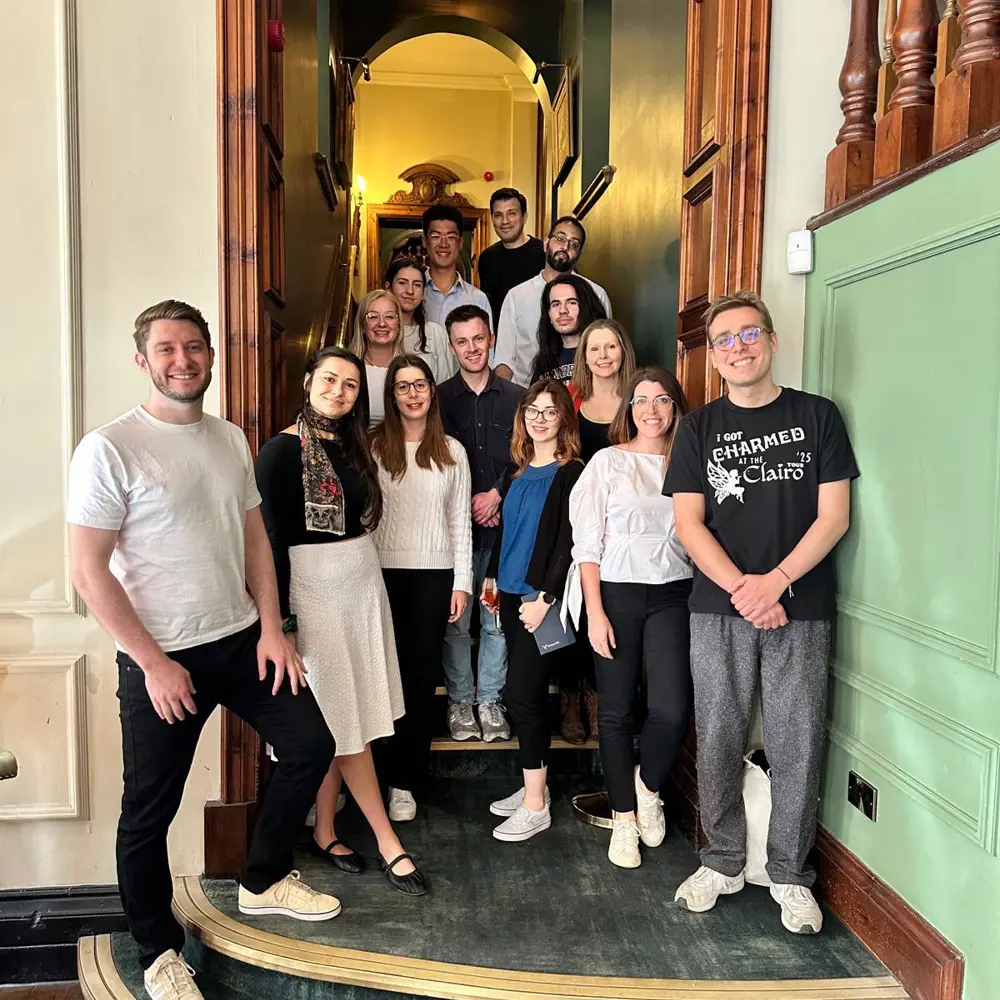
Image: The ImmunOS Circle, led by Alex Ainscough & Inga Van Den Bossche