


Forecasting Tipping Points
Backed by £114m, this programme sits within the Resilient Climate and Ecosystems opportunity space and aims to enhance our climate change response by developing an early warning system for tipping points.
Delivering research in partnership with Greenland
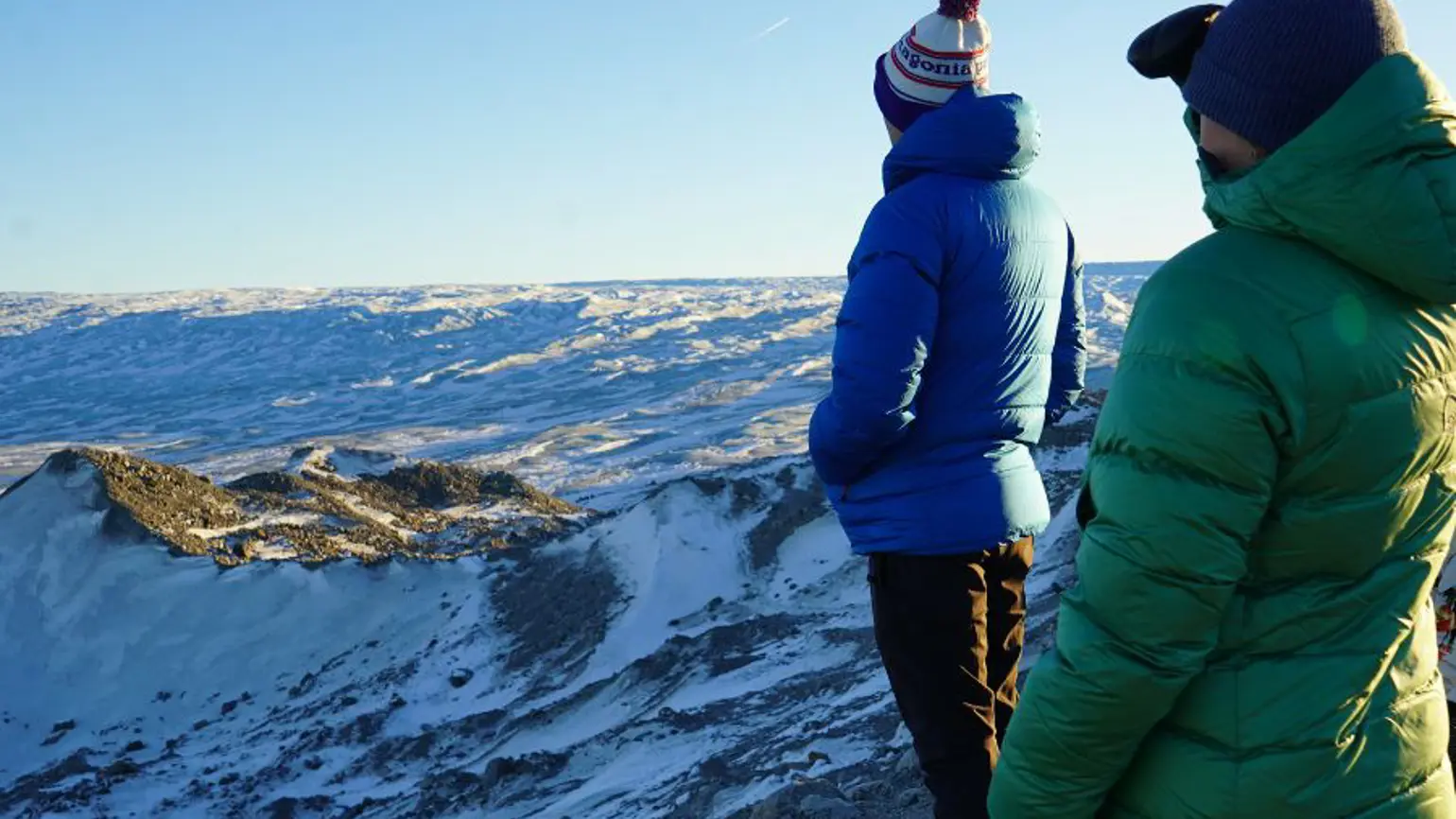
The Arctic is warming three to four times faster than the global average. This warming could push crucial systems like the Greenland ice sheet and the subpolar gyre ocean circulation past a ‘tipping point’ – a threshold for irreversible change. If these collapse, it would impact the local environment, weather, wildlife and location of vital fish stocks, and prompt devastating consequences for global sea levels and weather patterns. Yet, we currently have very limited data on when, how, or whether these events will happen.
The Forecasting Tipping Points programme is uniting teams of British, Greenlandic and international climate experts with a singular goal: creating an early warning system for these critical climate systems.
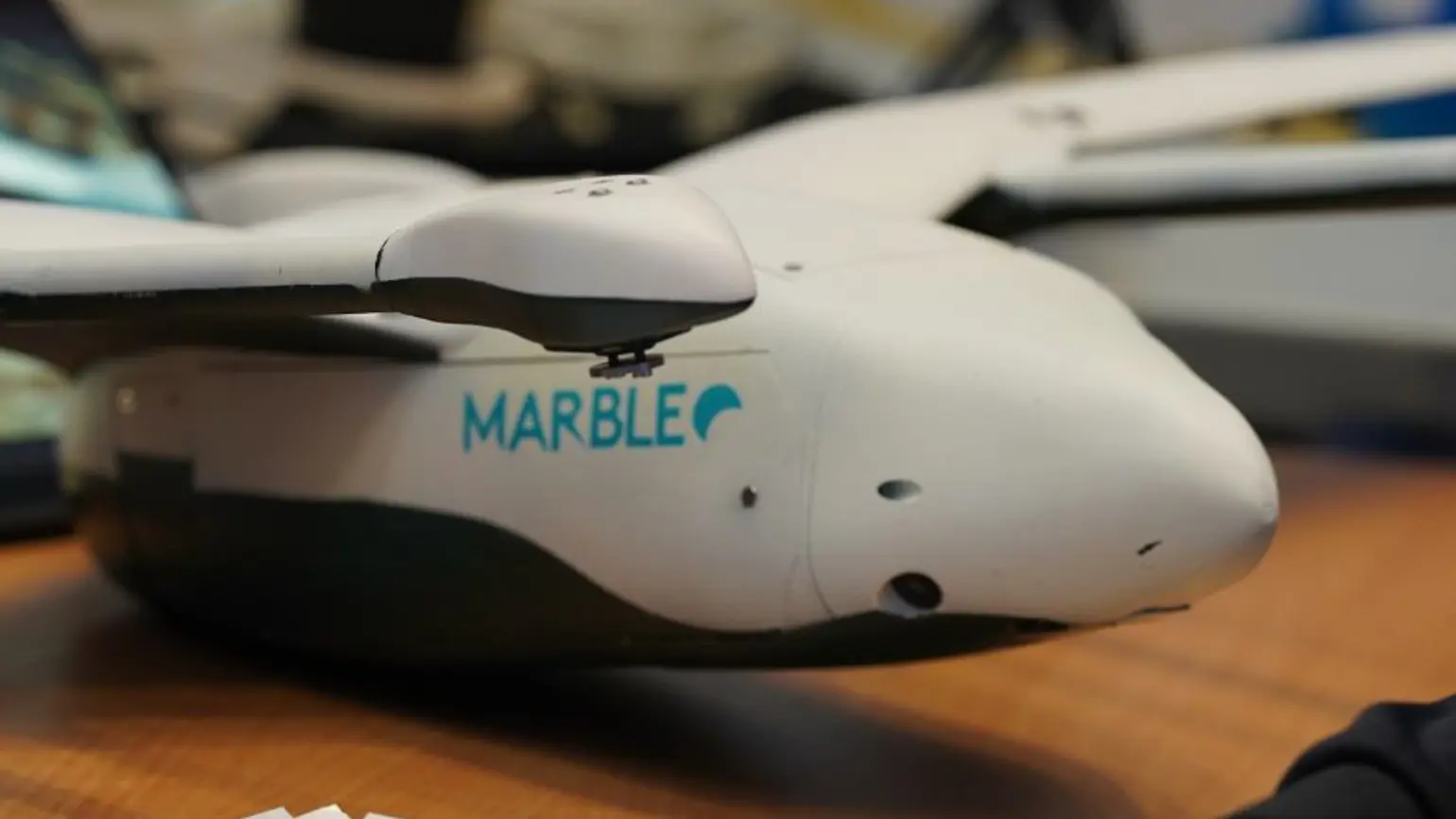
A key part of this work is developing and deploying innovative new sensing systems to monitor the Greenland ice sheet, its interface with the ocean, and the atmosphere. Partnership and co-design with Naalakkersuisut and Greenlandic communities and research institutions is therefore vital to its success.
How it works in practice
- Active governance: We are establishing an Oversight Committee with strong Greenlandic representation to govern existing projects and co-design the scope of future research calls.
- Local leadership: We have hired Greenland-based team members to act as a bridge between international scientific teams and local communities, ensuring engagement is respectful and relevant.
- Data sovereignty: Through co-design with Greenlandic institutions, we are developing processes so that data collected in Greenland can be stored, owned, and accessible by Greenlandic researchers long after this programme ends.
- Community first: From permitting best-practice guides to climate education initiatives, we are reducing the burden on local communities and building capacity.
- Strategic alignment: Our work aligns directly with Greenland’s National Research Strategy (2022-2030) and adheres to the Circumpolar Inuit Protocols for Equitable and Ethical Engagement.
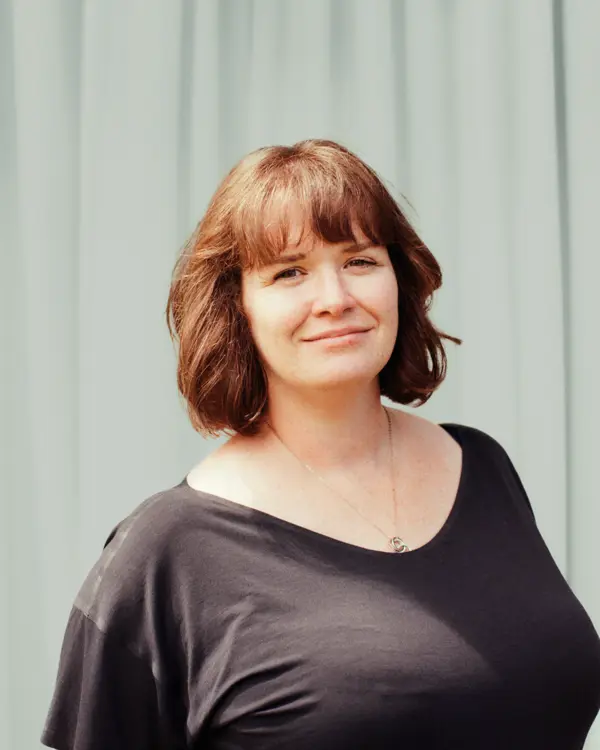
"Sarah and I built our careers in medical physics, where you don't just build a tool; you listen carefully to patients and doctors to ensure it's truly useful. We're bringing that exact mindset to monitoring the planet's health. By working in partnership and listening to local expertise in Greenland, our goal is to create an early warning system that provides genuinely useful information for decision-making, for Greenland and the rest of the world."
Gemma Bale
Programme Director
Oversight Committee
Greenlandic researchers, institutions and communities are especially important partners. Greenland is not simply a location for collecting data: local expertise and priorities must inform what is observed, how research is conducted, how data are governed, and what useful climate information looks like for the people living closest to these changes. To support this, we have established an Oversight Committee with majority Greenlandic membership to help ensure that research conducted in Greenland champions the Greenland Research Strategy and meets high standards of ethical engagement.
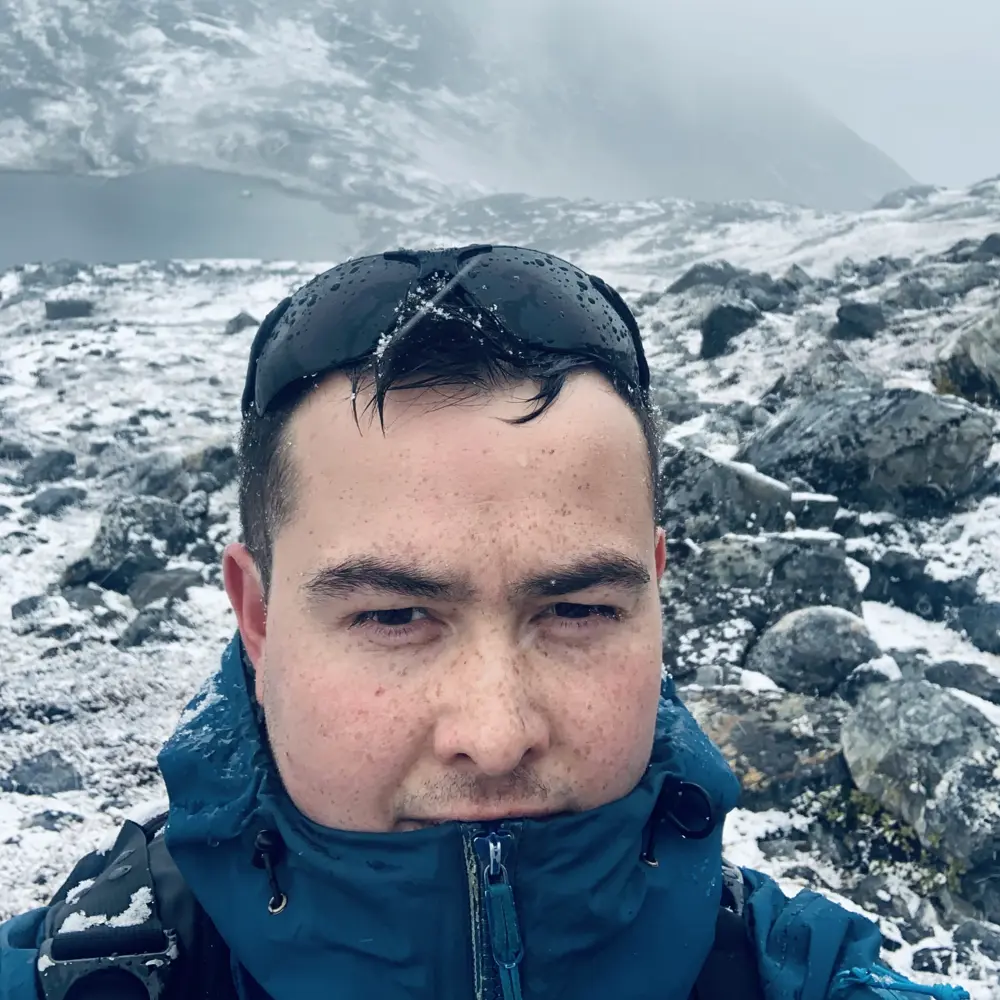
Angunguak Jepsen
Oversight Committee Secretary
Angunguak is based in Nuuk. He holds a Master’s degree in Mineral Exploration and Mining Geology from Curtin University and has a professional background spanning geology, construction, and infrastructure in Greenland.
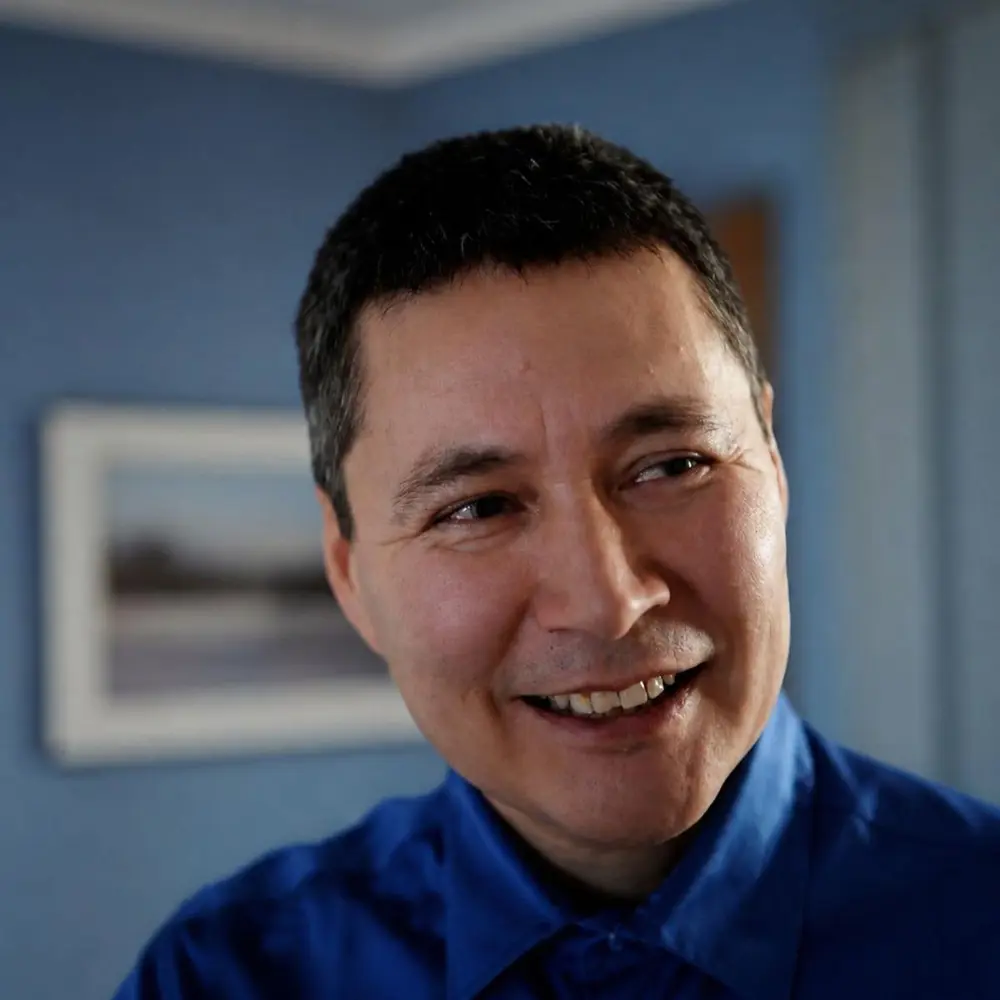
Axel Ingemann-Jeremiassen
Ataqatigiissaarisoq | Connector and Coordinator
Axel is a historian from Greenland. A former teacher, he completed a MA-degree in Arctic Culture and Social History at Ilisimatusarfik, University of Greenland. He among other things stands for liaison between local Greenlanders and scientists from the UK to manage relationships between stakeholders, government bodies, and local organisations to ensure project alignment with national interests.
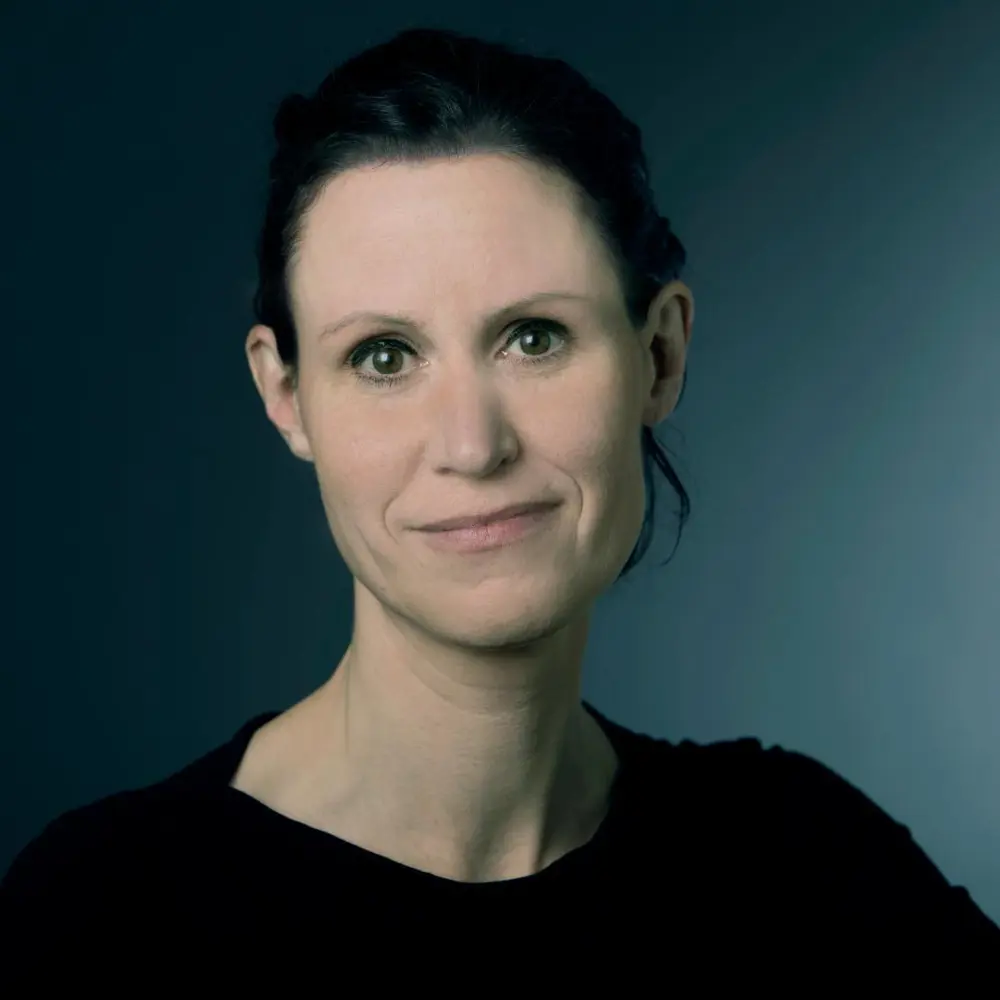
Mette Skarregaard Pedersen
Committee member
Mette is Director of Asiaq – Greenland Survey and has extensive expertise in environmental governance, climate, sustainability, emergency preparedness and disaster management in Greenland. Prior to Asiaq, Mette served as Permanent Secretary in the Government of Greenland, with responsibility for areas including environment, climate, energy, research, emergency preparedness and disaster response.
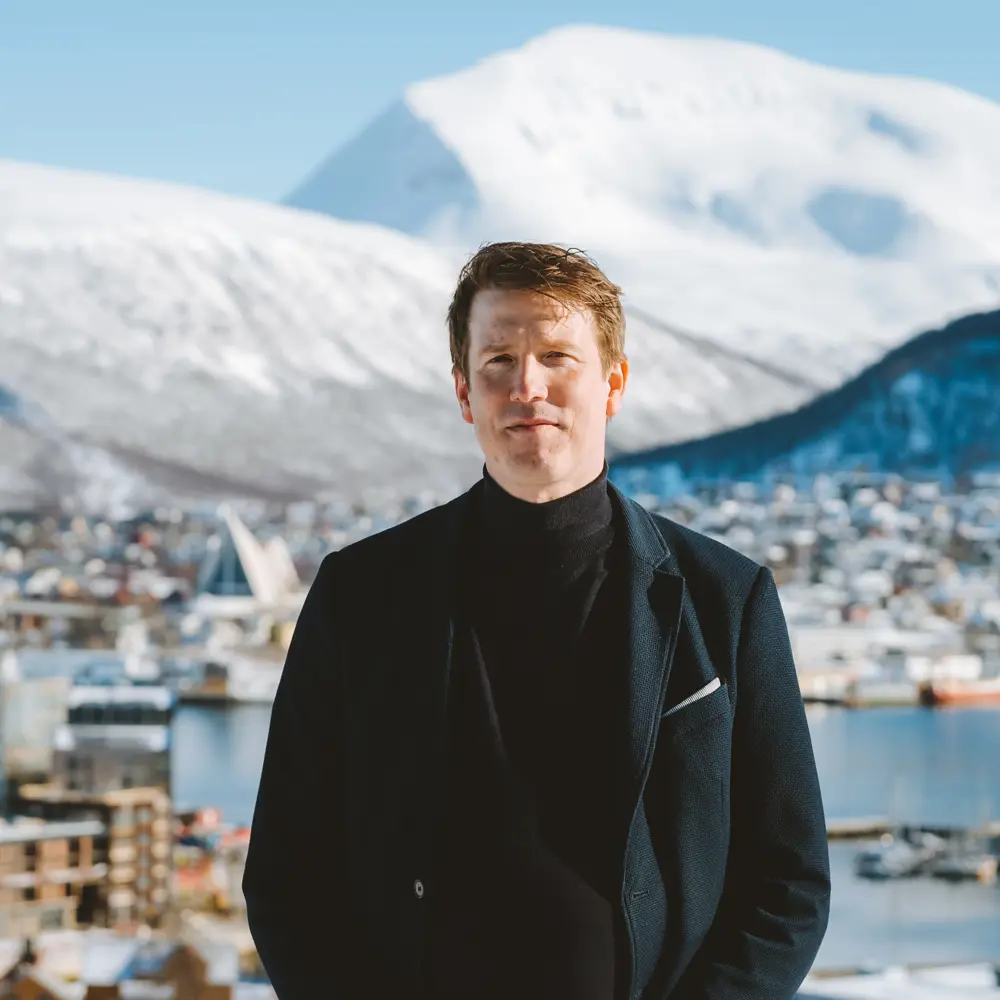
Mads Qvist Frederiksen
Committee member
Mads is the Executive director of the Arctic Economic Council (AEC), located in Tromsø, Norway. The AEC is a pan-arctic independent business membership organisation delivering policy advocacy, networking and outreach related to the Arctic. Prior to joining the AEC, Mads worked as a Senior Advisor in the Global Trade and Investment unit at the Confederation of Danish Industry.
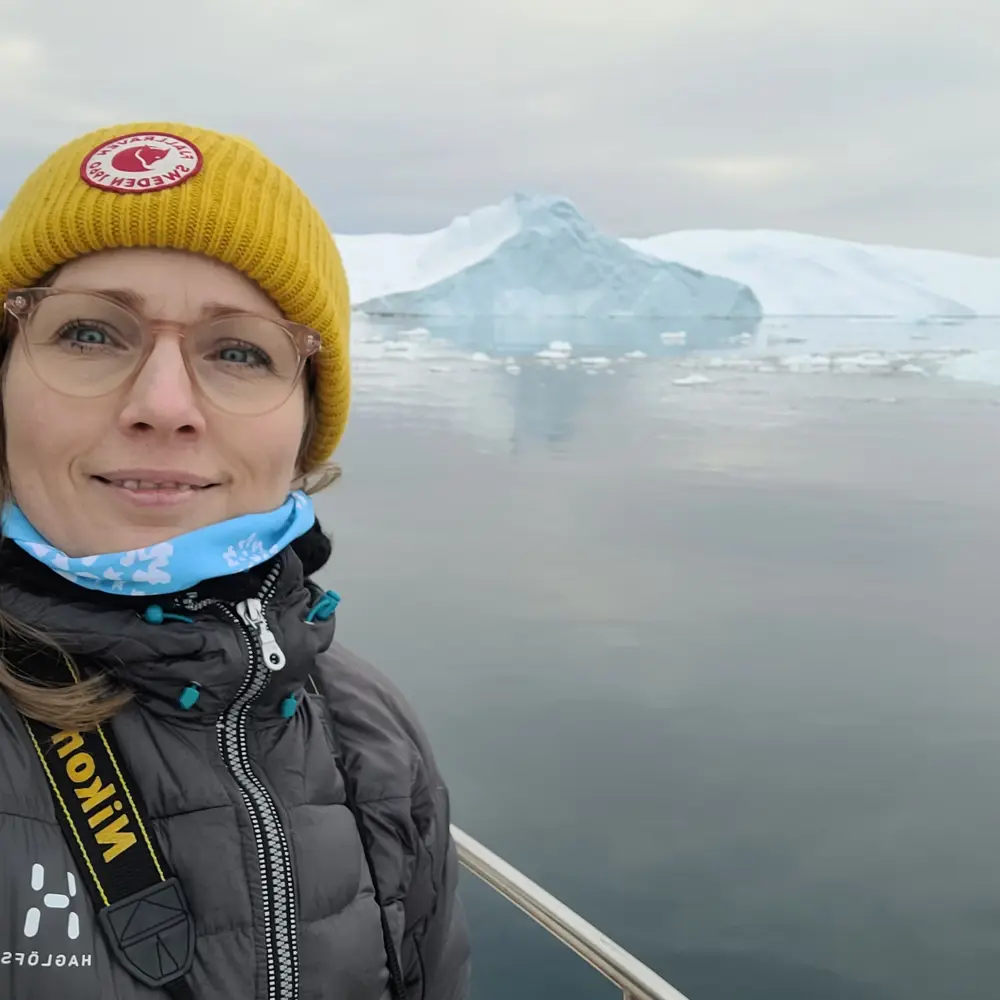
Ilona Mettiäinen
Committee member
Ilona is an environmental social scientist specialising in Arctic climate change and sustainability. Based at the Arctic Centre of the University of Lapland, her research examines how Arctic communities and Indigenous peoples make sense of climate change by co-designing place-based, situated responses to it, particularly related to adaptation and climate interventions.
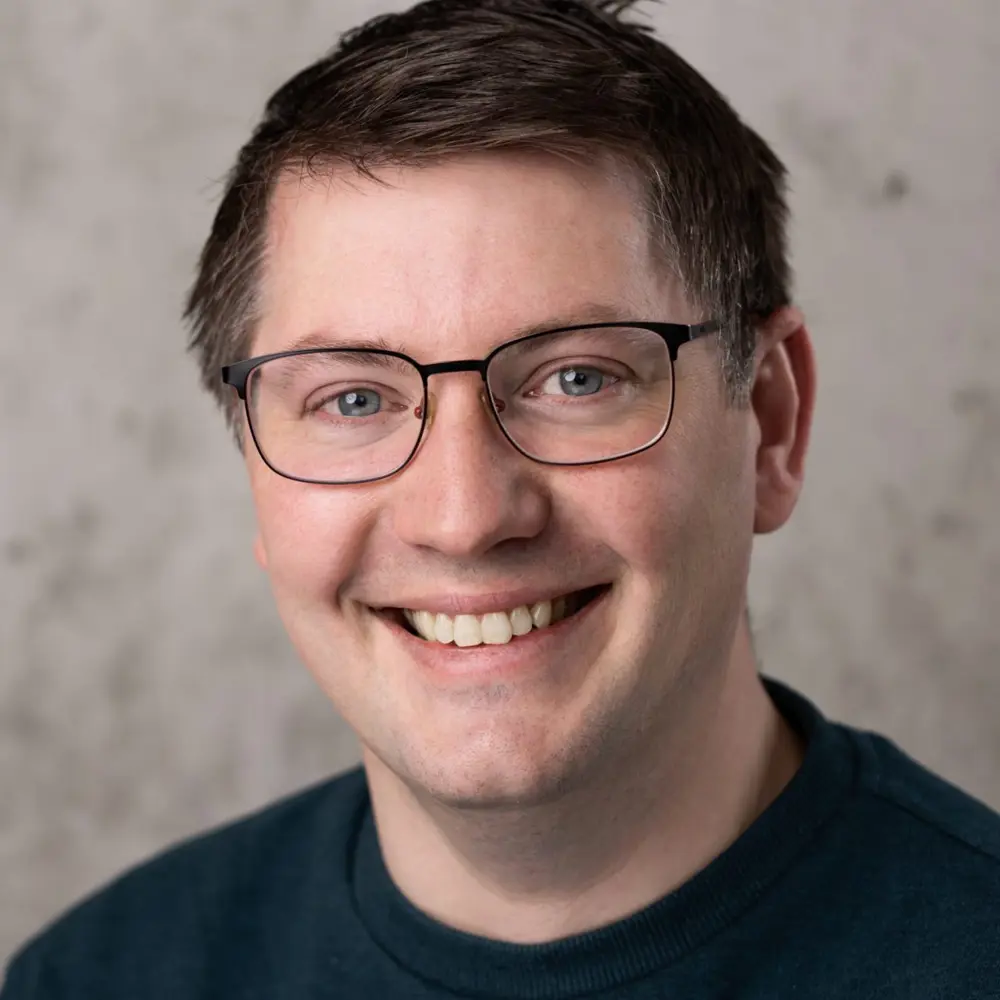
Lorenz Meire
Committee member
Lorenz is a Senior Scientist at Greenland Climate Research Centre. His main research interest is the melting of the Greenland Ice Sheet and its impact on global biogeochemical cycling and Greenland's marine ecosystems, exploring how ocean-glacier interaction drives the melting of the Greenland Ice Sheet and its impact on the physical oceanography and carbon cycling of Greenland fjord systems.
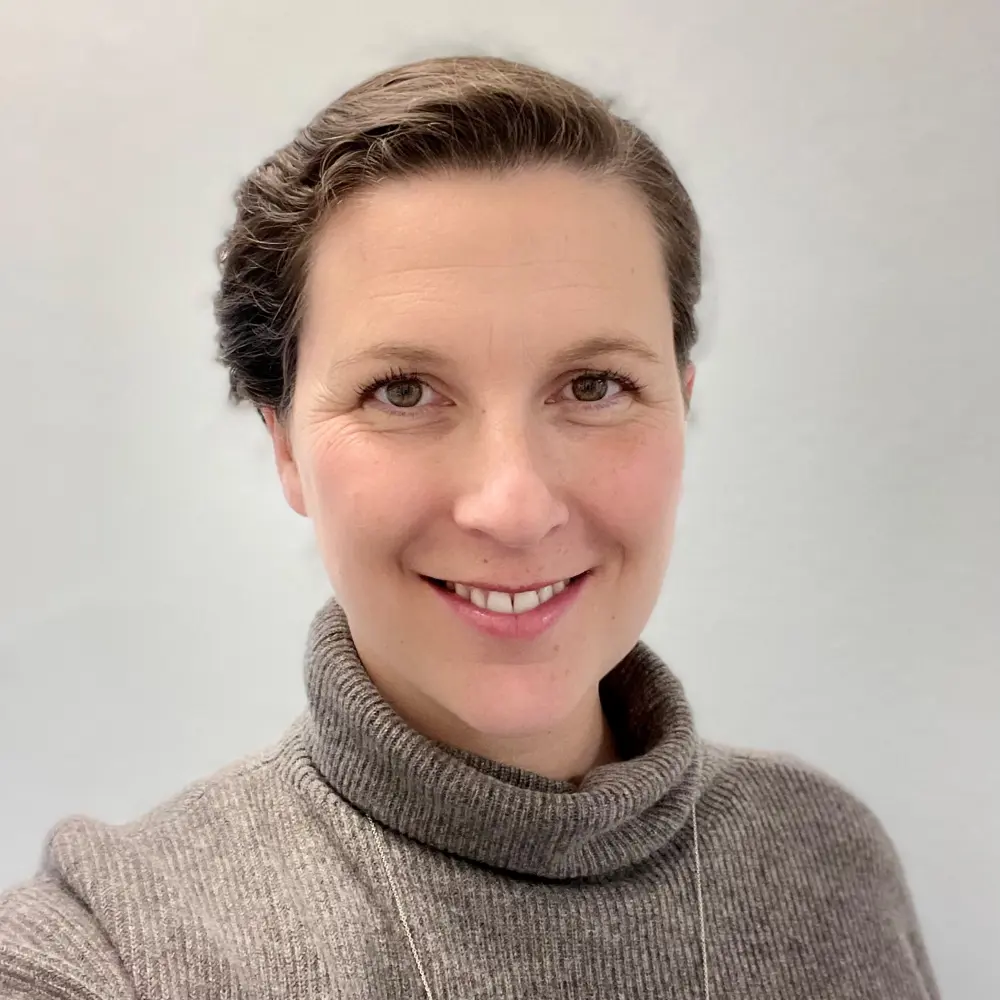
Anne Laugesen
Committee member
As part of the UK government's Science and Technology Network, Anne works to facilitate science collaboration, strategic dialogue and science policy alignment between the UK and the Kingdom of Denmark. Her focus is on supporting stronger links and partnerships between UK-based and Greenland-based researchers and communities, and supporting closer UK collaboration with Arctic governance structures.
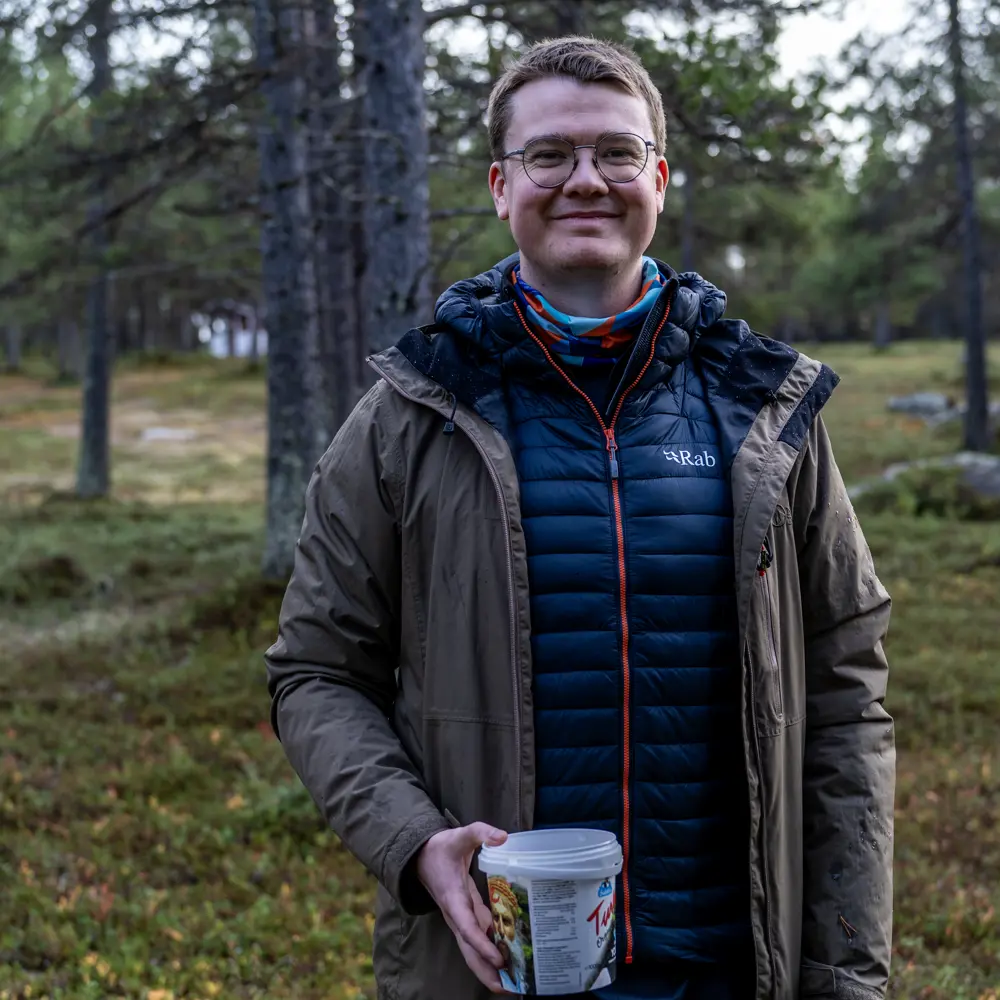
Conor Savage
Committee member
Conor is an early career polar/marine scientist, sustainable finance leader, and Councillor from Edinburgh, UK. His academic background specialised in the effects of Arctic sea ice retreat on the walrus, Odobenus rosmarus. Conor was selected to take part in the Arctic Frontiers Emerging Leaders Programme in the Norwegian High North, engaging with and learning from Arctic stakeholders.
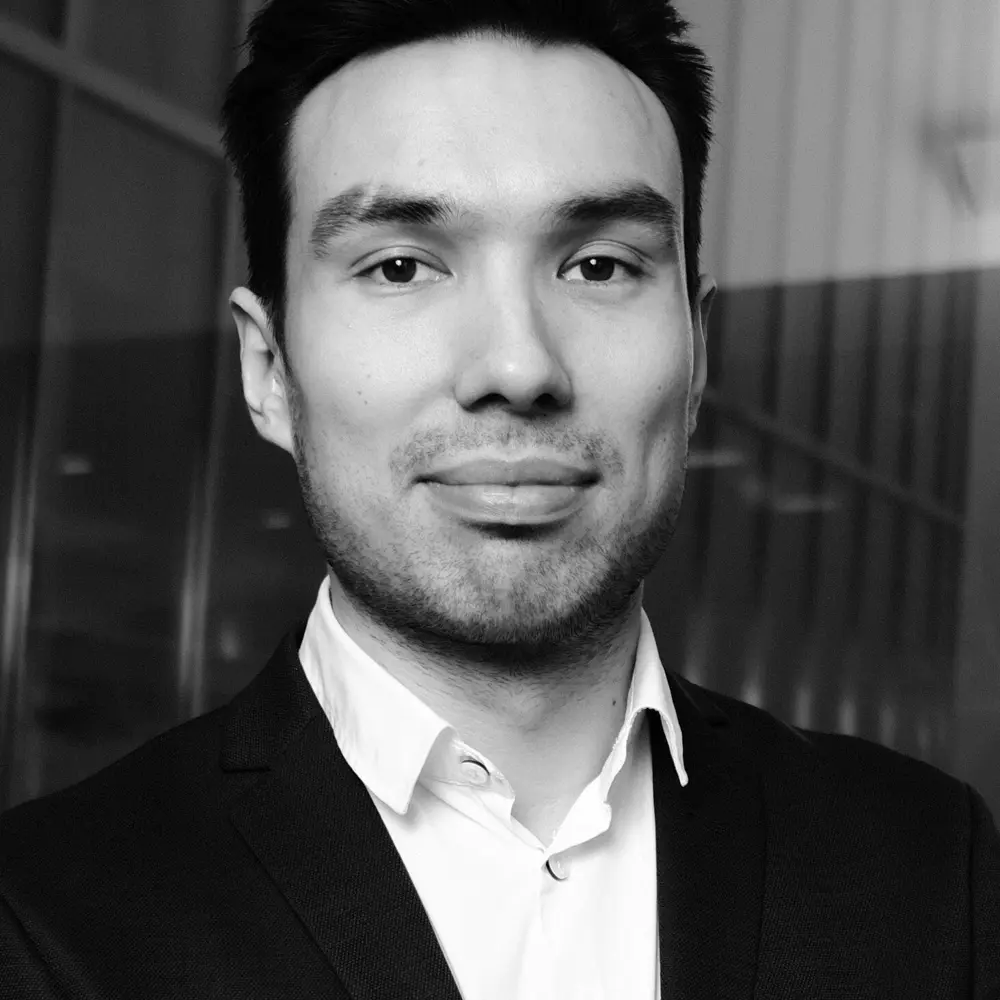
Nick Bæk Heilmann
Committee member
Nick is a Senior Associate at Kaya Partners, where he advises companies, investors, and governments on the geopolitics and economic development of Greenland and the Arctic, including issues related to the green transition, natural resources, and security policy. Born and raised in Greenland, he has also held roles in the Greenlandic and Danish foreign ministries and the Danish Embassy in London.

Miki Jensen
Committee member
Miki is the CEO of Innovation South Greenland with experience in business development, tourism, regional development, culture, marketing, project management, and cross-sector cooperation. A key focus of his is development based on local knowledge, real needs, and cooperation with the people who live and work in the region.
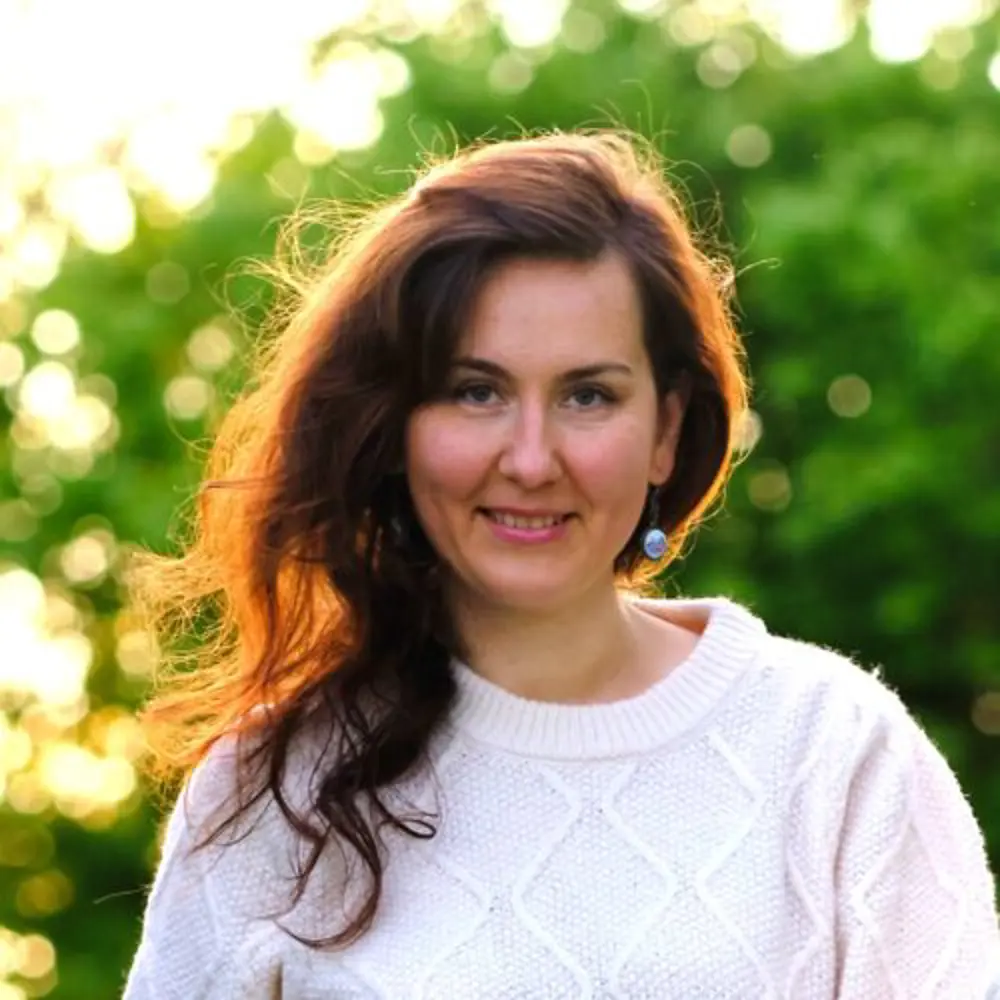
Elena Kavanagh
Committee member
Elena is an Indigenous Rights Scholar at University College Cork, Ireland, and a Research Affiliate at the Centre for the Study of Existential Risk at the University of Cambridge. Her broader areas of expertise include international law, Indigenous rights, human rights, and international relations, with a strong emphasis on ethical research approaches with a geographical focus on the Arctic.
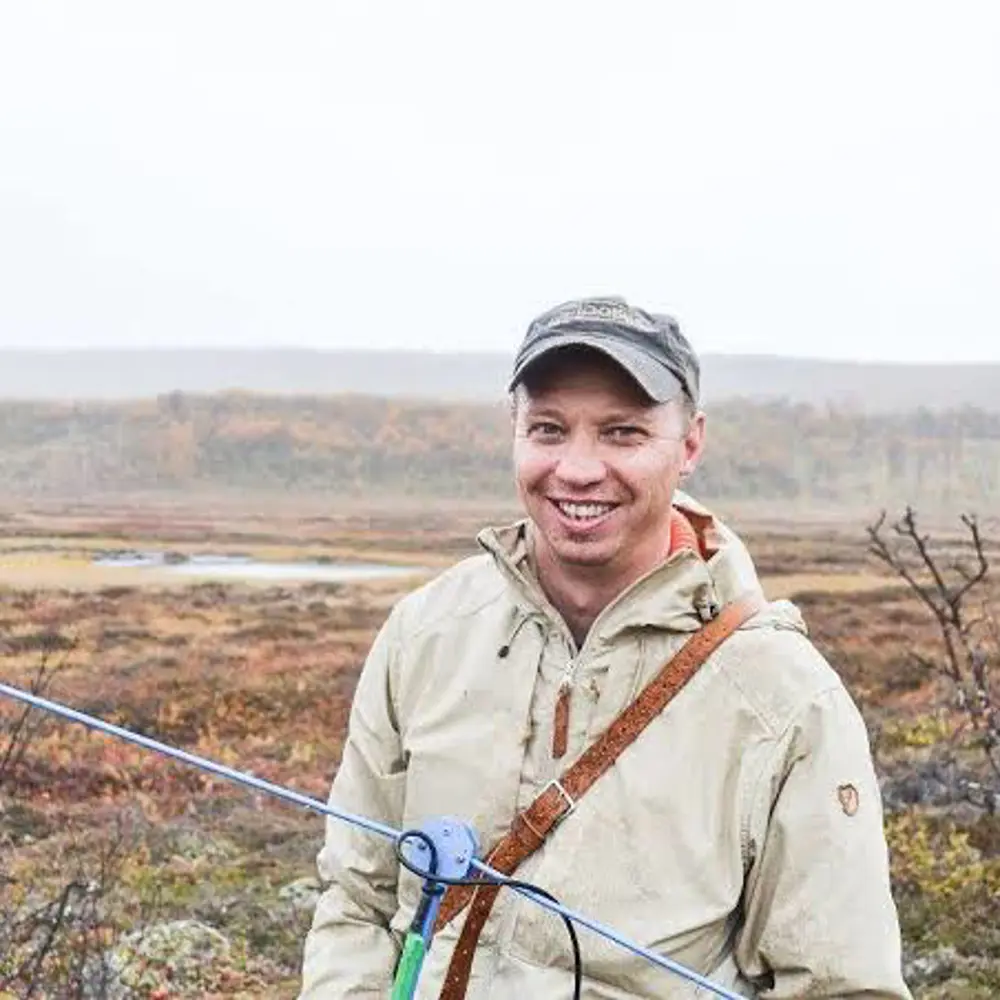
Rolf Rødven
Committee member
Rolf is the Executive Secretary of the Arctic Monitoring and Assessment Program (AMAP). AMAP is mandated to monitor and assess the state of the Arctic region with respect to pollution and climate change issues, as well as their impacts on ecosystems and human health, and to provide policy recommendations to the Arctic Ministers.
Funded projects taking place in Greenland
Meet the teams of scientists testing new sensing systems to monitor the Greenland ice sheet, its interface with the ocean, and the atmosphere.
ICEBERG: Integrated Cryosphere Environmental Baseline Exploration and Remote Geosensing
Peter J. Christopher, Sal La Cavera III, Connor Taylor, Ryme
Arctic DronePort
Mathieu Johnsson, Marble
GAMB2LE: Greenland Automated Mass Balance and Boundary Layer Experiment
Ryan Reynolds Neely III, Sarah Barr + Heather Guy, University of Leeds and the National Centre for Atmospheric Science and Michael Ray Gallagher, University of Colorado
GIANT: Greenland Ice sheet to Atlantic tipping points from ice loss
Kelly Hogan, Paul Holland, Pierre Dutrieux, British Antarctic Survey
AEROSTATS: Aerial Experimental Remote sensing of Ocean Salinity, heat, advection and Thermohaline Shifts
Christine Gommenginger, National Oceanography Centre
TUNUMI SILASIORFIIT
Anders Læsøe, ASIAQ
GRuMPS: Greenland Runoff Monitoring from Passive Seismology
Stephen Livingstone + Andrew Sole, The University of Sheffield
CosmicRay: Ice sheet instability monitoring using distributed cosmic ray sensors
Patrick Stowell, University of Sheffield
OptimISM: A next-generation framework for Ice Sheet Modelling
Trystan Surawy-Stepney, University of Leeds
G-PREWS: Greenland Peripheral Glacier Response and Early Warning System
Larissa Nora van der Laan, University of Copenhagen